%2Ffit-in%2F250x250%2Fguide_websites%2F10998%2Fimages%2F1769133058237cbaa2538-78b6-467a-a56a-707793d2dcd2.png&w=1920&q=100)
Hogfish and Grunt Caught in Sarasota FL
Hogfish and White Grunt Fishing in Sarasota - What to Expect
%2F%2Fusers%2F105f885a-bb66-47a1-bf77-05066f07bb6b%2Fimages%2Fsarasota-hogfish-white-grunt-catch-2657.jpeg&w=1920&q=75)
Fishing Charter by Captain Vasiliy Obukhov in May
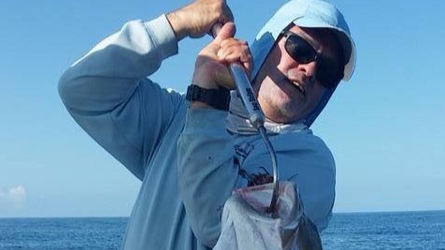
Meet your Captain Vasiliy Obukhov
- Your Top Sarasota Fishing Charter Awaits


Summary
Join Captain Vasiliy Obukhov of Neptune Charters Enterprise Inc on Wednesday, May 7 for an explosive fishing charter off Sarasota. This action-packed fishing charter delivers hard-hitting catches including hogfish and white grunt in prime offshore waters. Experience the thrill of landing trophy fish in one of Florida's most productive fishing grounds.
Fishing Charter with Captain Vasiliy Obukhov - Rates & Booking
Captain Vasiliy Obukhov of Neptune Charters Enterprise Inc brings serious offshore expertise to Sarasota's productive fishing grounds on Wednesday, May 7. This fishing charter targets the species that pack the most excitement and eating quality - hogfish and white grunt dominate these waters, and every cast brings the potential for an explosive hookup. Book your spot with Neptune Charters Enterprise Inc to lock in your adventure today.
Highlights of This Fishing Charter
The waters off Sarasota are absolutely loaded with hungry hogfish and white grunt during peak season. These fish hit fast, fight hard, and keep the action nonstop from start to finish. Every cooler full represents skill, precision, and pure offshore intensity - the kind of day that defines memorable Florida fishing.
Captain Vasiliy knows exactly where these fish stack up and what techniques trigger bites in real time. The offshore structure around Sarasota holds massive populations of both species, and his years of local experience mean you're targeting actively feeding fish, not hoping to get lucky.
Local Species Insights: Hogfish and White Grunt
Hogfish are the speed demons of Sarasota's offshore scene. These aggressive bottom-dwellers slam baited rigs with devastating force, then make brutal runs across the structure. Their speed and strength make every hookup an adrenaline spike. They school predictably in offshore structure and rocky areas where they hunt crustaceans and small fish - making them highly targetable on a guided charter.
White grunt are equally explosive but require different tactics. These schooling fish respond to live bait and light tackle, creating fast-paced multiple-fish scenarios. When you hit a school, the action becomes relentless with continuous strikes and bent rods. Both species thrive in Sarasota's offshore environment, where warm Gulf currents concentrate baitfish and create ideal hunting zones.
The offshore waters around Sarasota feature rocky ledges, sand flats, and deep structure that naturally concentrate these species. Hogfish patrol the bottom searching for crabs and mollusks, while white grunt hunt in schools through mid-water columns. Captain Vasiliy uses live bait and precision casting to put your rig exactly where these fish are actively feeding. This isn't random fishing - every drop targets known feeding patterns and seasonal movements.
The intensity of this fishery comes from the sheer number of fish willing to bite on a well-planned charter. The cooler in your photo isn't luck - it's the result of expert guidance, solid technique, and hitting fish when they're hungry. Sarasota's offshore zone remains one of Florida's most consistent and action-packed destinations for serious anglers chasing trophy-sized catches.
Fishing in Sarasota: Hogfish and White Grunt
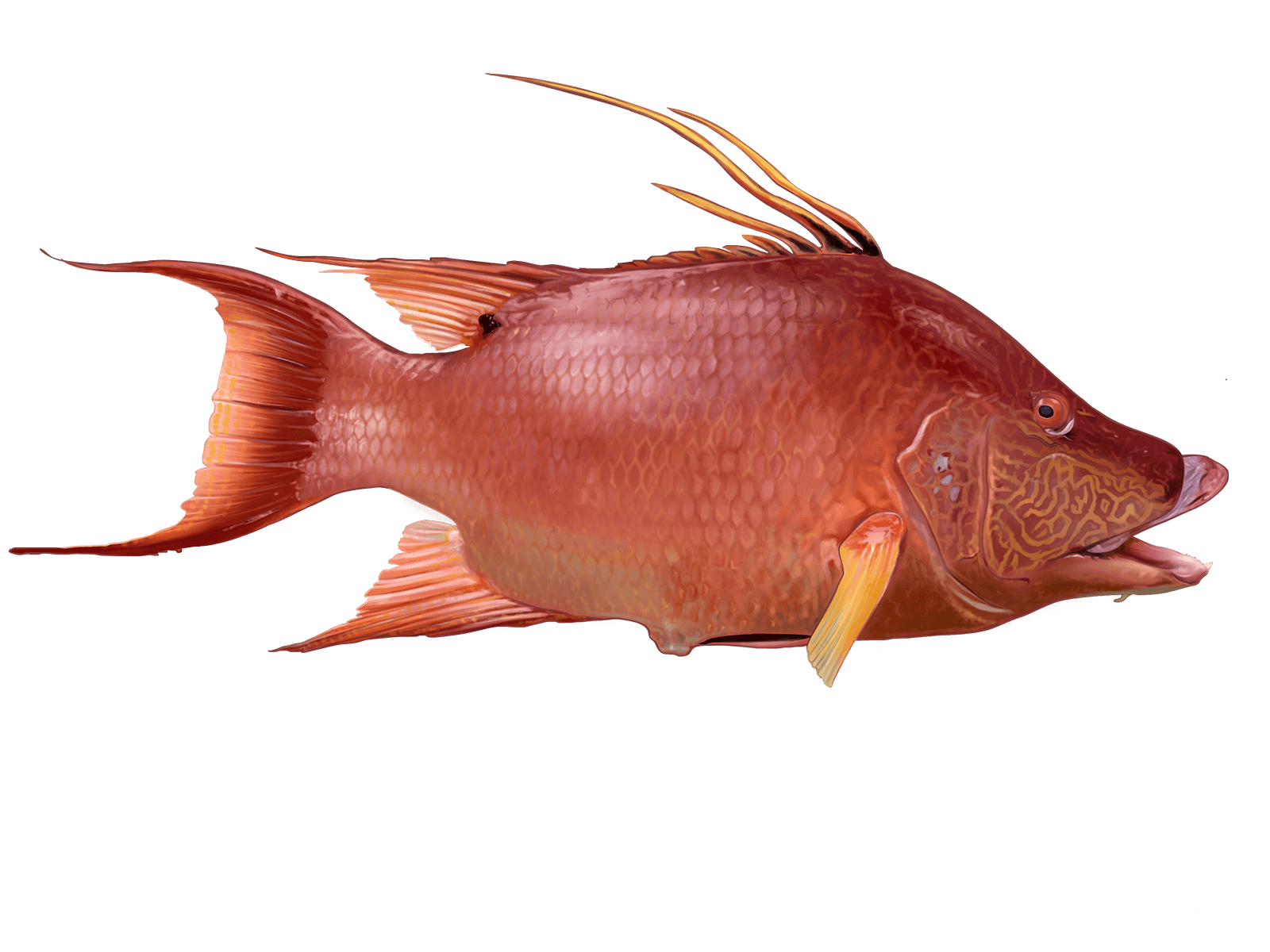
Hogfish Overview
The Hogfish, scientifically known as Lachnolaimus maximus, is a member of the Labridae family within the order Perciformes. This remarkable wrasse gets its common name from its distinctively prominent snout, which closely resembles that of a pig—a feature that makes it instantly recognizable to divers and anglers alike. What makes the Hogfish truly special is not just its appearance but its behavior; these curious fish are known to swim alongside divers and investigate new sounds in the water with an almost playful inquisitiveness. Found throughout reef systems and structured habitats along coastal areas, the Hogfish has become a favorite target for both recreational anglers and spearfishers seeking an exciting challenge and a rewarding catch.
Hogfish Habitat and Distribution
Hogfish are predominantly found in open bottoms and coral reef environments, preferring depths ranging from 10 to 100 feet (3 to 30 meters). They show a strong affinity for the edges of reefs where they form small, organized schools. These fish are particularly attracted to hard sand and rock bottoms, areas rich in the shellfish and crustaceans they depend on for food. Structurally, they favor hardbottoms with small cracks and live corals, as well as rocky areas with at least 1 to 5 feet of relief and natural ledges. Around popular fishing destinations like the Florida Keys and throughout the Caribbean, Hogfish congregate in predictable zones, making them accessible to both experienced and novice anglers willing to seek out the right habitat.
Hogfish Size and Weight
Adult Hogfish typically range from 10 to 36 inches in length, with most specimens weighing between 8 and 24 pounds. The largest specimens on record have reached approximately 3 feet (0.91 meters) in length and tipped the scales at around 22 pounds (10 kilograms). Juvenile Hogfish are noticeably smaller and tend to focus their feeding efforts more heavily on mollusks and echinoderms before transitioning to a more diverse diet as they mature. The sexual maturity of these fish—and their ability to change gender—typically occurs around 3 years of age, which corresponds to a certain size threshold within their population.
Hogfish Diet and Behavior
As carnivorous feeders, Hogfish are equipped with specialized canine teeth designed for shredding and processing tough shellfish and crustaceans. Their hog-like snout serves as a primary foraging tool, allowing them to dig through sand and reef rubble much like a pig rooting in soil. They actively consume mud crabs, small crabs, sea urchins, and a variety of mollusks, using their snout and teeth in coordinated fashion to expose and extract prey. Behaviorally, Hogfish are notably curious and bold; they're attracted to vibrations and sound in the water and tend to investigate anything that might signal a food source. However, this aggressive feeding behavior comes with a territorial streak—these fish are known bullies that harass smaller species, establishing dominance within their schools. Interestingly, Hogfish are hermaphroditic, with the ability to change from female to male once reaching a certain size and maturity level, a phenomenon that maintains balance within their hierarchical social structure.
Hogfish Spawning or Seasonal Activity
Hogfish reach sexual maturity at approximately 3 years of age, at which point females have the biological capacity to transform into males based on environmental cues and their position within the school hierarchy. They typically live in schools with one dominant male and multiple females, though this dynamic shifts when a female grows sufficiently large to trigger a gender transition. The presence of a black spot behind the pectoral fins is an exclusive male characteristic, making sex identification straightforward for experienced observers. While specific spawning seasons vary by region and water temperature, these fish remain relatively active year-round in tropical and subtropical waters, with increased feeding intensity during warmer months when prey is more abundant.
Hogfish Techniques for Observation or Capture
Spearfishing Method: Many experienced anglers and divers favor spearfishing as the most effective technique for pursuing Hogfish. This method requires a steady hand, sharp reflexes, and knowledge of reef structure. Approach areas with hard bottoms, live coral, and rocky formations where these fish congregate. Move slowly and deliberately, allowing the fish to become accustomed to your presence. Hogfish are naturally curious and may swim toward you, especially if you create subtle vibrations or sounds in the water—mimicking the disturbance of prey. A quality speargun with good accuracy range (typically 4 to 8 feet) increases your success rate significantly.
Hook and Line with Live Bait: While traditional hook-and-line fishing presents challenges due to their snout and aggressive strikes, it remains viable with the right approach. Use live mud crabs or live shrimp as bait; the struggling motion and sound generated by live prey will attract nearby Hogfish. Cast near structure—ledges, rocky outcroppings, and reef edges—and be prepared for fast, hard strikes. Medium to medium-heavy tackle with quick reflexes is essential, as these fish don't hesitate once they commit to a strike. Around popular destinations like the Florida Keys, hiring a local guide familiar with prime Hogfish territory dramatically increases your chances of connecting with these aggressive feeders.
Attraction and Curiosity-Based Tactics: Take advantage of the Hogfish's inquisitive nature by creating underwater noise and vibrations. Some anglers report success using chumming techniques near structured areas, which draws fish closer while you prepare your rod or spear. The species' boldness means they'll often investigate divers and snorkelers, so remaining calm and moving deliberately can lead to excellent photo opportunities or capture attempts.
Hogfish Culinary or Utilization Notes
Hogfish has earned a solid reputation among seafood enthusiasts and is considered good eating with mild flavor and subtle sweet undertones. The meat is firm and white, making it versatile for various cooking methods—grilling, pan-searing, and baking are all popular preparations. Some anglers and chefs argue that Hogfish actually surpasses Grouper in sweetness and overall flavor quality, making it a prized table fish throughout the Caribbean and Florida. From a nutritional standpoint, Hogfish is rich in protein and omega-3 fatty acids, supporting a healthy diet. The species is sustainably abundant in most regions where it's found, meaning responsible harvesting aligns well with environmental stewardship.
Hogfish Frequently Asked Questions
Q: What is the best bait or technique for catching Hogfish?
A: Live mud crabs and live shrimp work exceptionally well as bait, as their movement and vibrations attract Hogfish. However, spearfishing is considered the gold standard by most experts due to the species' aggressive nature and fast strikes. If using hook and line, be prepared for explosive takes and have your drag set appropriately to handle powerful runs.
Q: Where can I find Hogfish, especially around popular fishing destinations?
A: Hogfish thrive in structured reef environments, hard-bottom areas, and rocky ledges at depths between 10 and 100 feet. Look for areas with live coral, small cracks in the reef, and noticeable relief. Around locations like the Florida Keys, charter captains know the best Hogfish grounds, typically on reef systems and near prominent wrecks where structure attracts these fish in numbers.
Q: Is Hogfish good to eat?
A: Absolutely. Hogfish is considered excellent eating with mild, sweet meat that many compare favorably to Grouper. The white, firm flesh is versatile and takes well to most cooking techniques. It's also nutritionally dense, offering good protein and omega-3 fatty acids, making it both delicious and health-conscious.
Q: When is the best time to fish for Hogfish?
A: Hogfish are active year-round in tropical and subtropical waters, but feeding intensity increases during warmer months when prey availability is highest. Morning hours and overcast days often produce consistent results, as these fish are more active when light levels are moderate rather than in bright midday conditions.
Q: How can I distinguish between male and female Hogfish?
A: Males are the only sex that displays a distinctive black spot behind their pectoral fins. Additionally, males exhibit brighter coloration overall, particularly in their orange-tinted fins, while females tend toward more muted tones. This visual distinction makes field identification straightforward for experienced anglers and divers.
Q: Why are Hogfish so aggressive toward other fish?
A: Hogfish are territorial feeders with a dominant social hierarchy. Their aggressive behavior toward smaller fish is a natural extension of their assertive foraging style and their position within school hierarchies. This bullying behavior helps them secure access to prime feeding zones and maintains their dominance within their social group.
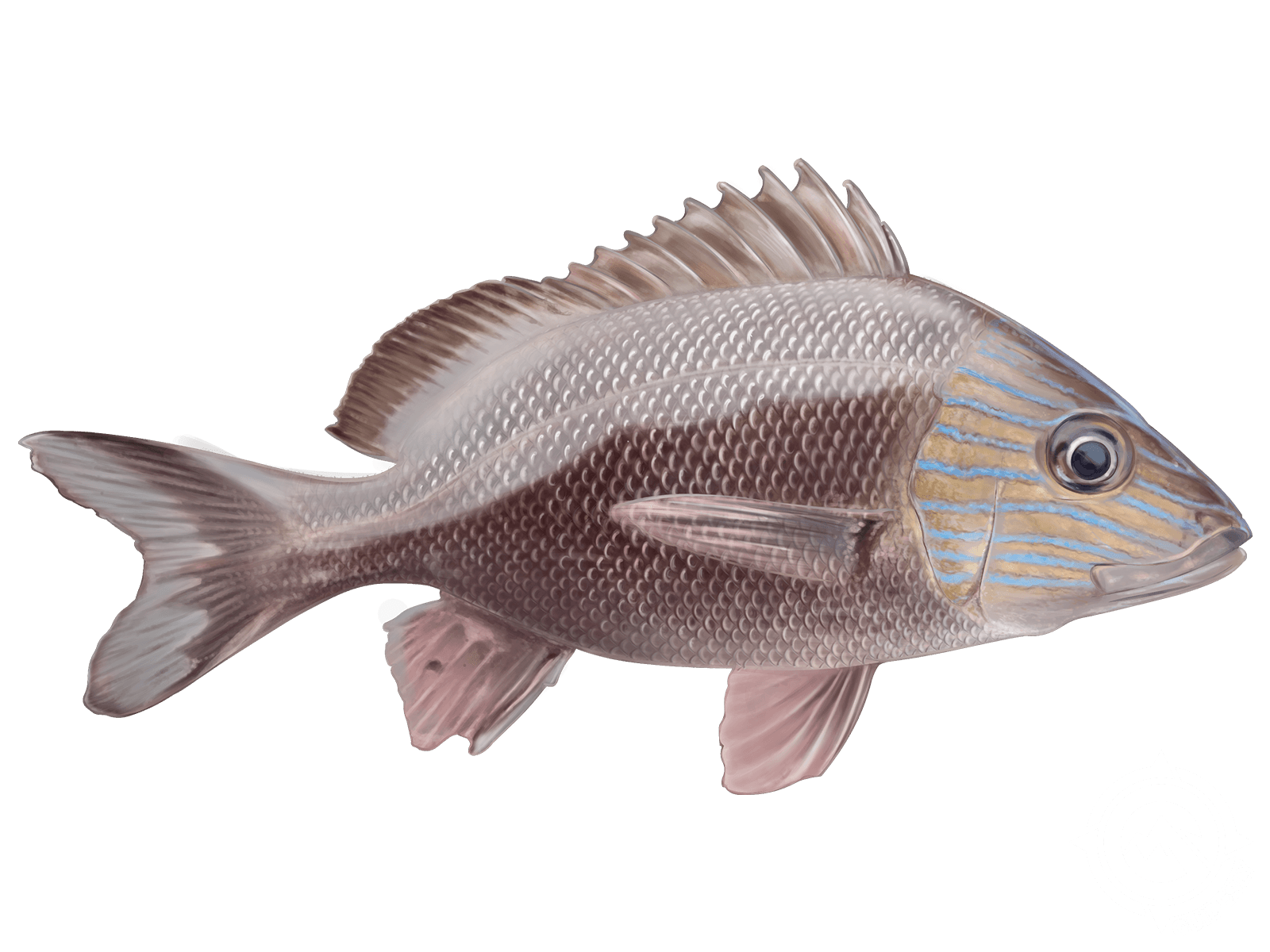
White Grunt Overview
The White Grunt (Haemulon plumierii) is a fascinating member of the Haemulidae family within the order Perciformes, native to the Atlantic Ocean and widely recognized as one of the most engaging game fish for recreational anglers. Known by multiple colorful nicknames—including flannelmouth grunt, redmouth grunt, boar grunt, and Key West grunt—this species is instantly recognizable by its striking silvery-blue to creamy yellow body adorned with vertical blue and yellow stripes, a distinctive red snout, and an elegant almond-shaped silhouette. What makes the White Grunt truly special is the audible "grunting" sound it produces by grinding its pharyngeal teeth, a behavior that has fascinated anglers and coastal residents from the Florida Keys to the Caribbean for generations. The species thrives in diverse marine environments and remains a cornerstone of recreational fishing experiences throughout its native range.
White Grunt Habitat and Distribution
The White Grunt flourishes throughout the Western Atlantic, with its range extending from Chesapeake Bay south through the Gulf of Mexico and Caribbean waters all the way to Brazil. These adaptable fish are commonly found in reefs, docks, and mangrove ecosystems, preferring shallow waters that typically range from the shoreline down to approximately 98 feet in depth, though specimens occasionally venture into deeper hard-bottom habitats reaching 115 feet. Young White Grunts tend to inhabit inshore nursery areas, while mature individuals spend more time in offshore and backcountry environments. The species demonstrates remarkable versatility in habitat selection, capable of thriving in both natural reef structures and artificial environments like pier pilings and rocky outcrops, making them accessible to anglers fishing from shore, boat, or kayak throughout most coastal regions of the southeastern United States.
White Grunt Size and Weight
On average, the White Grunt ranges from 6 to 14 inches in length and typically weighs between 2 to 6 pounds when encountered by recreational anglers. However, larger specimens do exist—historical records document White Grunts reaching up to 20 inches and weighing as much as 15 to 20 pounds, though these trophy-sized fish are considerably less common. The species exhibits a typical lifespan of 9 to 12 years in the wild, allowing ample opportunity for anglers to pursue both juvenile fish in shallow waters and more substantial adults in deeper offshore zones. The gradual growth pattern means that patience and proper technique often yield better-sized specimens for both catch-and-release enthusiasts and those interested in a culinary experience.
White Grunt Diet and Behavior
As nocturnal and opportunistic carnivores, White Grunts display fascinating feeding behavior that makes them highly responsive to angler presentations. Adult fish primarily feast on mollusks, echinoderms, annelids, and benthic crustaceans—especially shrimp—which they hunt along sandy bottoms and around reef structures during low-light hours. Juvenile White Grunts begin their dietary journey consuming copepods and plankton before transitioning to bottom-dwelling prey as they mature. This species is equally notable for its social and aggressive territoriality; White Grunts confront rivals by pushing each other on the lips with mouths agape in dramatic displays of dominance. The famous "grunting" vocalization—produced by grinding pharyngeal teeth and amplified by the air bladder—serves as a distress call and becomes particularly audible when fish are hooked by anglers. White Grunts face predation from sharks, barracuda, lizardfishes, groupers, and snappers, shaping their cautious yet aggressive feeding strategies.
White Grunt Spawning and Seasonal Activity
While specific spawning details for the White Grunt remain somewhat understudied compared to other game fish, the species demonstrates distinct seasonal patterns influenced by water temperature, lunar cycles, and reproductive biology. Peak activity typically occurs during warmer months when inshore and backcountry populations become most concentrated and responsive to angler efforts. Juveniles are more prevalent in shallow, protected nursery habitats during spring and early summer, while adults migrate toward deeper offshore structures as water temperatures fluctuate. Understanding these seasonal movements is crucial for anglers planning trips—targeting shallow mangrove areas during cooler months often yields consistent results, while summer fishing frequently benefits from deeper reef and wreck presentations. The species' year-round availability in most of its range means opportunities exist throughout the calendar, though local conditions and water temperatures should guide tactical decisions.
White Grunt Techniques for Observation and Capture
Hook and Line Method: The most popular and accessible technique for targeting White Grunts involves standard hook-and-line fishing with natural baits. Shrimp—both live and dead—rank as the premier choice, though cut mullet, squid, and small crustaceans also produce excellent results. Cast near structure such as mangroves, dock pilings, rocky outcrops, and reef edges, allowing baits to settle near the bottom where these fish hunt. Early morning and late afternoon periods, particularly around dusk, coincide with peak feeding activity. Light to medium spinning or conventional tackle rated for 10-20 pound test works ideally, allowing for sensitivity while maintaining sufficient backbone for hooksets. Around the Florida Keys and throughout the Caribbean, this approach yields consistent success both from shore-based structures and small boats operating in backcountry flats.
Artificial Lure Presentation: White Grunts readily respond to small artificial lures including jigs (1⁄2 to 1 ounce), small soft plastics (3-4 inches), and compact topwater plugs. Bounce jigs slowly along the bottom near rocky areas and reef edges, maintaining contact with the substrate where these bottom feeders hunt. Soft plastic presentations rigged on light jigheads allow for precise depth control and natural swimming action. The species' opportunistic nature means lures should mimic available prey—shrimp imitations and small fish profiles consistently outperform larger offerings. This method excels during daylight hours when visual presentations trump scent-based triggers.
Commercial Capture Methods: Professional fishermen employ seines, bottom trawls, and fish traps to capture White Grunts at commercial scales, though recreational anglers need not employ such techniques. These methods highlight the species' bottom-dwelling habits and schooling behavior—information valuable for understanding where to concentrate fishing efforts.
Local Tip—South Florida Waters: Anglers fishing the shallow backcountry around Biscayne Bay, the Marquesas Keys, and the shallow reefs off the Florida Keys should focus on dawn and dusk periods, targeting structure in 6-15 feet of water with live shrimp on light spinning tackle. The White Grunt's preference for tight cover means accurate casting to specific targets—mangrove prop roots, dock supports, and small coral heads—yields dramatically better results than blind casting into open water.
White Grunt Culinary and Utilization Notes
The White Grunt has earned considerable respect in culinary circles for its flaky white flesh, mild flavor, and excellent texture when properly prepared. The species' meat remains delicate and sweet, making it ideal for pan-frying, baking, or incorporating into fish stews and ceviche. While the White Grunt possesses limited commercial value in modern seafood markets, it remains a cherished eating fish for recreational anglers and coastal communities. In Florida cuisine, "Grits and Grunts"—a traditional Lowcountry dish combining stone-ground cornmeal (grits) with White Grunt—represents a celebrated culinary tradition. The fish's sustainability profile appears favorable, with the IUCN not currently listing the species as vulnerable or endangered, making it an ethical choice for harvest-oriented anglers. For those practicing catch-and-release, the White Grunt's hardiness and strong constitution ensure excellent survival rates when handled carefully. Beyond culinary use, the species' brilliant coloration and hardy temperament have made it a popular aquarium pet, particularly in saltwater hobby systems where specimens display their distinctive striping and behavioral patterns.
White Grunt Frequently Asked Questions
Q: What is the best bait for catching White Grunts?
A: Live or dead shrimp rank as the premier bait choice, though cut mullet, squid, and small crabs also produce excellent results. The species' preference for bottom-dwelling prey means presenting baits near the seafloor in 6-20 feet of water yields the most consistent success. Cast near structure and allow baits to settle naturally rather than constant movement.
Q: Where can I find White Grunts near the Florida Keys?
A: White Grunts thrive throughout the Keys in shallow backcountry areas, particularly around mangrove edges, dock pilings, and small rocky reefs in 6-15 feet of water. The shallow waters surrounding Biscayne Bay, the Marquesas Keys, and the reef systems off Key West offer excellent opportunities. Early morning and dusk periods coincide with peak activity, though the species remains available year-round.
Q: Is the White Grunt good to eat?
A: Yes, absolutely. The White Grunt features flaky white flesh with a mild, sweet flavor that anglers and chefs consistently praise. Pan-frying with butter and lemon represents a classic preparation, though the meat adapts well to baking, stewing, or ceviche applications. The traditional Lowcountry dish "Grits and Grunts" showcases the species' culinary potential. The species demonstrates a favorable sustainability profile, making it an ethical choice for harvest-oriented anglers.
Q: When is the best time to catch White Grunts?
A: White Grunts are nocturnal feeders, making early morning (pre-dawn through mid-morning) and late afternoon through dusk the prime periods. The species remains available year-round, though warmer months typically concentrate populations in accessible shallow water. Fishing around structure during these low-light windows maximizes your chances of connecting with this opportunistic species.
Q: How do White Grunts make their distinctive grunting sound?
A: The White Grunt produces its characteristic "grunt" by grinding its pharyngeal teeth located in the back of its throat. This grinding motion is amplified by the fish's air bladder, creating an audible vocalization that serves primarily as a distress call. Anglers frequently hear this sound when White Grunts are hooked or handled—a unique and memorable aspect of the angling experience.
Q: What equipment do I need to fish for White Grunts?
A: Light to medium spinning tackle rated for 10-20 pound test line works ideally, allowing sensitivity while maintaining sufficient power for reliable hooksets. Pair your spinning reel with a 6-7 foot rod for optimal accuracy and control in backcountry and inshore environments. Small hooks (sizes 2-4) rigged with shrimp, along with lightweight jigs (1⁄2-1 ounce) or small soft plastics, round out a complete White Grunt setup suited for recreational success.